
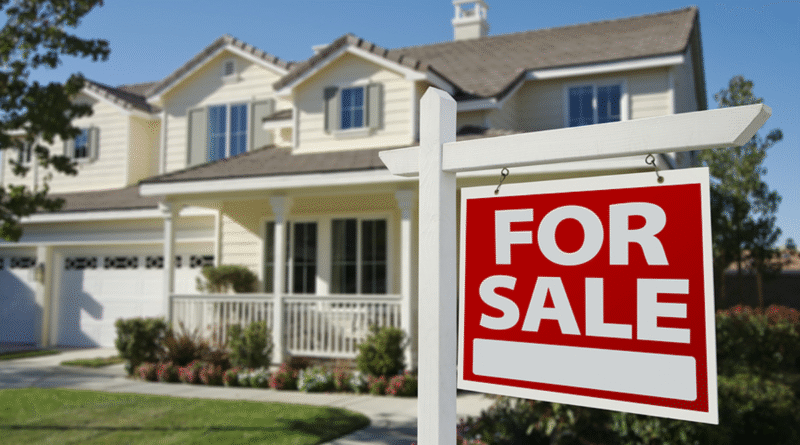
How Much Do New Homes for Sale Cost in Your City?
For many families and individuals, purchasing a new home is one of life’s biggest milestones. Beyond being a place to live, a home represents stability, security, and often the most significant financial investment you will make. One of the most common questions buyers ask is: How much do new homes for sale cost in my city? The answer can vary widely depending on factors like location, amenities, demand, and the pace of development.
This article explores the costs of new homes, the key factors that influence pricing, and what buyers should know before making a purchase decision.
Location and Its Impact on Pricing
Location continues to be the single most important factor in determining the cost of a new home. Properties in the heart of the city or near commercial hubs generally carry higher price tags due to accessibility and demand. On the other hand, suburban or semi-urban areas may offer more affordable options while still providing modern housing communities. Proximity to schools, hospitals, transport networks, and entertainment centers also significantly affects home values.
Size, Layout, and Features of the Home
The size of the home, measured in square footage, plays a big role in its cost. Larger homes with multiple bedrooms, bigger living spaces, and additional features like garages or basements naturally cost more. Buyers also pay premiums for open floor plans, luxury finishes, and energy-efficient upgrades. Developers today often market homes with smart-home technology, modular kitchens, and eco-friendly construction, all of which can raise the final cost.
Builder Reputation and Construction Quality
The credibility and reputation of the builder influence not just the cost but also the long-term value of the home. Well-known builders often charge more but provide high-quality materials, timely delivery, and better after-sales support. Checking reviews of previous projects and the financial stability of the developer is important before committing to a new home purchase.
Market Demand and Economic Conditions
Housing prices are also shaped by supply and demand. In cities where demand for homes exceeds supply, prices rise quickly. Economic conditions, interest rates, and lending policies influence affordability. In 2025, many urban areas are witnessing steady demand due to population growth, job opportunities, and rising disposable incomes, pushing new home prices upward.
Neighborhood Amenities and Community Features
New homes are often built in planned communities offering amenities such as gyms, swimming pools, green parks, playgrounds, and clubhouses. These features enhance lifestyle appeal but also add to the purchase price. Buyers should carefully weigh whether they will use these amenities enough to justify the cost. A well-maintained neighborhood with reliable infrastructure also boosts the value of new homes.
Taxes, Fees, and Hidden Costs
The listed price of a new home is rarely the final cost. Buyers need to factor in registration fees, property taxes, homeowners’ association (HOA) fees, and maintenance charges. Some developers may also add premiums for preferred locations within the project, such as corner plots, garden-facing units, or homes with better views. Being aware of these additional costs ensures better financial planning.
Financing and Mortgage Availability
The cost of new homes also depends on financing options available in your city. Affordable interest rates can make homes more accessible, while stricter lending rules may limit buyer capacity. Pre-approved projects from banks or housing finance companies indicate credibility and help speed up loan processing. Buyers should calculate their monthly commitments, including both EMIs and maintenance expenses, to get a realistic picture of affordability.
Comparing Across Neighborhoods
Prices can vary dramatically even within the same city. For example, central business districts may see new homes priced significantly higher than upcoming suburban areas. Buyers are encouraged to compare multiple neighborhoods, keeping in mind future infrastructure projects like highways, metro stations, or business parks that may increase property values. Investing in emerging areas often provides better long-term appreciation at relatively lower entry costs.
Future Value and Investment Potential
When buying a new home, it’s wise to consider not only present affordability but also long-term value. Homes in cities with growing employment opportunities, expanding infrastructure, and high rental demand are more likely to appreciate in value. For investors, rental yields are another important metric, as new homes in desirable areas can generate consistent rental income.
Conclusion
So, how much do new homes cost in your city? The answer depends on a combination of factors including location, size, builder reputation, amenities, taxes, and market conditions. While the upfront price tag may seem daunting, a well-researched purchase can turn into both a comfortable living space and a strong financial investment.