
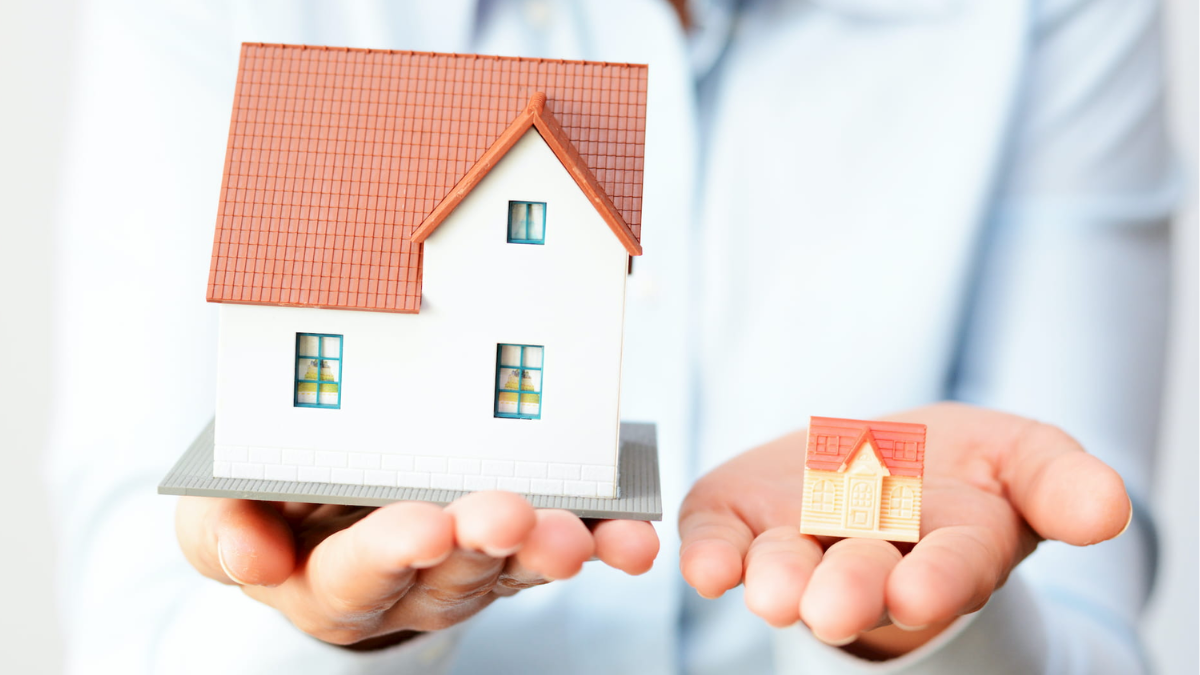
Find Your Dream Home with Modern Design, Smart Living Features, and Complete Comfort for Your Family
Finding the perfect home is more than just buying property; it’s about creating a space where you and your family can enjoy comfort, safety, and happiness. In today’s world, modern homes are designed not only for style but also to meet the growing needs of families with advanced smart living features. Whether you are searching for an apartment, a villa, or a spacious family house, understanding what makes a home truly ideal can guide you in making the right decision.
In this detailed guide, we’ll cover everything you need to know about finding your dream home – from modern design elements to smart home technology and essential family comfort factors.
Why Finding Your Dream Home Matters
A home is not just a shelter; it is an extension of your personality and lifestyle. Owning a home provides:
- Emotional security – a place where family bonds grow stronger.
- Financial investment – property value appreciates over time.
- Lifestyle improvement – access to better design, comfort, and facilities.
When choosing your dream home, it is essential to balance style, practicality, and affordability.
Modern Design in Homes
What Is Modern Home Design?
Modern home design focuses on clean lines, open spaces, minimal clutter, and functionality. Unlike traditional homes, modern homes emphasize natural lighting, eco-friendly materials, and sleek finishes.
Key Features of Modern Homes
- Open floor plans – seamless flow between living, dining, and kitchen areas.
- Large windows – for maximum natural light and ventilation.
- Minimalist interiors – fewer walls, more open spaces.
- Neutral color palettes – whites, grays, and natural wood tones.
- Energy-efficient design – solar panels, insulation, and smart heating
Smart Living Features
Technology has transformed how we live at home. Smart features make everyday living more convenient, energy-efficient, and secure.
Examples of Smart Home Features
- Smart lighting systems – controlled via smartphone or voice assistants.
- Automated security – CCTV, smart locks, and alarm systems.
- Smart thermostats – adjust temperature for comfort and savings.
- Energy monitoring devices – track and reduce electricity consumption.
- Voice-controlled assistants – manage appliances with simple commands.
Smart living is not just luxury anymore; it’s becoming an essential part of modern homes.
Comfort for the Whole Family
A dream home should provide comfort for every member of the family.
Family-Centric Features
- Spacious bedrooms for privacy and relaxation.
- Play areas for children’s safety and fun.
- Work-from-home spaces to support remote jobs.
- Green spaces or balconies for fresh air and relaxation.
- Storage solutions to reduce clutter and improve organization.
Comfort Beyond Interiors
- Location convenience – near schools, hospitals, and markets.
- Community amenities – gyms, swimming pools, parks.
- Sustainable living – eco-friendly construction and water conservation.
Steps to Finding Your Dream Home
Step 1: Define Your Needs
Ask yourself:
- How many bedrooms and bathrooms do you need?
- Do you prefer an apartment or an independent house?
- Is proximity to work or school important?
Step 2: Set Your Budget
A realistic budget ensures you balance affordability with comfort. Consider:
- Down payment.
- Home loan eligibility.
- Long-term maintenance costs.
Step 3: Choose the Right Location
The best home is in the right location. Look for:
- Good transport connectivity.
- Nearby essentials – schools, hospitals, shopping centers.
- Safety and security of the neighborhood.
Step 4: Explore Modern Design Options
Check whether the property includes:
- Open layouts.
- Natural light optimization.
- Modern architecture and interiors.
Step 5: Check Smart Living Features
Ensure the home offers:
- Smart locks, cameras, and automation.
- Eco-friendly design.
- Energy efficiency.
Step 6: Visit the Property
Photos may look great, but a physical visit reveals the real picture.
Step 7: Legal and Financial Verification
- Verify property documents.
- Ensure the builder or seller has clear ownership.
- Understand loan and EMI terms.
Benefits of Owning a Modern Smart Home
- Convenience – Control lights, locks, and devices remotely.
- Safety – Enhanced security systems.
- Savings – Reduced electricity bills through energy efficiency.
- Comfort – Climate-controlled environments.
- Resale value – Modern smart homes attract higher resale prices.
Challenges to Consider
- Cost factor – Smart homes may cost more upfront.
- Technology dependence – Requires reliable internet connectivity.
- Maintenance – Smart devices may need regular updates or replacements.
However, the long-term benefits often outweigh these challenges.
Future of Modern Smart Homes
The future of housing is a blend of sustainability and technology. Expect:
- AI-powered assistants for home management.
- Eco-friendly materials becoming standard.
- Smart appliances integrated with renewable energy.
- Greater customization options for family needs.
Conclusion
Finding your dream home with modern design, smart living features, and complete comfort for your family is a life-changing journey. The right home will not only offer luxury and convenience but also emotional satisfaction and long-term security. By balancing budget, location, design, and technology, you can create a perfect haven where your family thrives.
FAQs
Q1. What makes a modern home different from a traditional home?
A modern home emphasizes open layouts, smart features, and eco-friendly design, while traditional homes focus on classic architecture and compartmentalized spaces.
Q2. Are smart homes affordable for middle-class families?
Yes. Many budget-friendly homes now come with basic smart features like smart locks and lighting systems.
Q3. What should be the top priority when buying a family home?
Location, safety, and comfort should be the top priorities before considering design and luxury.
Q4. How can smart features save money in the long run?
Energy-efficient systems reduce electricity bills, and automated devices prevent wastage of resources.
Q5. What is the ideal size of a family home?
It depends on family size. For small families, 2BHK works well, while larger families may need 3BHK or 4BHK homes.